
How to Start a Small Business in Austin: A Practical Guide
Starting a small business in Austin? Shape your idea, test local demand, check Texas and city requirements, and prepare finances before opening.

To start a small business in Austin, define what you will sell and who will buy it, then test local demand before committing to a lease or major purchases. Choose a legal structure, confirm registration and permit requirements with the relevant Texas and city agencies, and set up separate business finances and recordkeeping before you begin trading.
Austin customers and operating conditions vary by neighborhood, from downtown foot traffic to residential demand farther out. Your best starting point is a specific customer and a practical way to reach them, not a broad idea such as opening a shop or offering a service.
Requirements can differ by business activity and location, including between Austin and nearby communities. Treat this guide as a planning framework, then confirm current rules, forms and deadlines directly with the agencies responsible for your business.
- Define a specific customer and test demand before making major commitments.
- Write a short plan that includes operating costs and cash-flow timing.
- Choose a business structure and verify filings with Texas and local agencies.
- Separate business finances and keep consistent records from the first transaction.
Start with a clear business idea
Define the offer and customer
Describe your offer in one plain sentence: what you sell, who needs it, and why they would choose it. A home-repair service for older houses, for example, is clearer than a general promise to help homeowners. Specificity helps you estimate costs, find customers, and decide whether the idea fits your skills.
Picture a real customer in Austin rather than trying to serve everyone. A lunch option for downtown workers has different hours, location needs, and outreach opportunities from a weekend service for families in South Austin. Write down the problem that customer faces and what they currently do about it.
Check that the work is practical for your circumstances before you spend heavily. Consider your relevant experience, time available, equipment, and whether the idea depends on a particular site or permission. If a service requires credentials or regulated activity, identify that early and confirm the requirements with the appropriate Texas agency.
- Name the customer you intend to serve.
- Describe the offer without jargon.
- Identify the problem it solves.
- List the skills and equipment needed.
Match the idea to Austin
Think about where your intended customers already spend time and how they are likely to buy. A business that relies on walk-in visits needs a different location strategy from one that books appointments online or travels to customers. In Austin, compare the practical fit of downtown, neighborhood commercial streets, and service areas beyond the city.
Local habits can shape the offer as much as the product itself. A food business may need to plan around event crowds and quieter periods, while a mobile service should consider travel time across the metro area. Ask prospective customers about the situations in which they would actually use the service.
Do not assume that a popular district guarantees a viable business. Check visibility, access, parking or transit options, nearby competition, and the cost of serving that area. If you are considering a specific site, verify its permitted use and any applicable requirements with the City of Austin or the relevant local jurisdiction.
Check demand and make a simple plan

Test demand before investing
Ask potential customers about the problem and their current choices before investing in inventory, equipment, or a storefront. Conversations are most useful when you ask about recent behavior, such as where someone last bought a similar service, rather than whether they simply like your idea. Note recurring needs, objections, and what customers say they would pay for.
- ☐ Choose a specific group of potential customers.
- ☐ Prepare questions about recent buying behavior.
- ☐ Test a small version of the offer.
- ☐ Record responses and signs of real commitment.
Run a small, low-cost test that resembles the real offer. A maker might take limited preorders, while a service provider could offer a few trial appointments to suitable customers. Be clear about what is available, what it costs, and when it can be delivered so that responses reflect genuine interest.
Use Austin-specific outreach to find people who match your intended audience. Community events, neighborhood groups, and conversations with nearby businesses can help you learn where customers gather and what they already use. Do not treat friendly comments or social media reactions as proof of demand; look for concrete actions such as inquiries, bookings, or purchases.
- Interview people who fit your customer profile.
- Ask what they currently do to solve the problem.
- Offer a small test version of the product or service.
- Track inquiries, bookings, and actual purchases.
Build a working business plan
Turn what you learn into a short plan you can revise, rather than a lengthy document written once and forgotten. Explain the customer, offer, sales method, operating needs, and main costs in direct language. Add a simple forecast that shows how many sales you need to cover regular expenses.
Separate one-time startup costs from ongoing costs so you can see what must be paid before opening and what continues afterward. Include items such as supplies, insurance, payment processing, staffing, rent if applicable, and taxes. Use quotes or confirmed information where possible, and mark estimates clearly so they are not mistaken for known costs.
Make the plan useful for decisions about Austin locations and customer access. Compare a storefront, a home-based operation, and a mobile or appointment-based model if each could serve the same customer. The plan should help you identify what must be true for the business to work, and which assumptions need further testing.
Choose a structure and handle registration
Compare common business structures
Choose a structure based on ownership, liability, taxes, and the records you can maintain, rather than selecting one because it sounds simplest. A sole proprietorship and a limited liability company are common options, but they do not offer the same legal treatment or administrative responsibilities. Discuss your circumstances with a qualified legal or tax professional when the choice is unclear.
A sole proprietorship may suit an owner operating alone, but it does not create the same separation between owner and business as forming an entity. An LLC is formed under state law and generally involves filing and ongoing obligations. Neither structure replaces insurance, sound contracts, or careful separation of business and personal activity.
The right choice can depend on co-owners, employees, risk exposure, and plans to seek financing. If another person will own part of the business, settle roles, decision-making, and what happens if someone leaves before accepting money or signing commitments. Confirm current filing details with the Texas Secretary of State and get advice suited to your situation.
- Sole proprietorship: individual owner, fewer formation steps.
- Partnership: two or more owners, with shared responsibilities to define.
- LLC: state-formed entity with separate compliance duties.
- Corporation: formal entity structure that may suit different ownership plans.
| Structure | Typical fit | Key consideration |
|---|---|---|
| Sole proprietorship | One owner operating directly | Does not create the same separation as an entity |
| Partnership | Two or more owners | Define roles and decision-making in writing |
| Limited liability company | Owners seeking a state-formed entity | Requires state filings and ongoing compliance |
| Corporation | Business with formal ownership plans | Has formal governance and recordkeeping duties |
Confirm names and required filings
Check whether your proposed business name is available and whether it could be confused with an existing business or protected mark. State entity-name availability is not the same as trademark clearance, and a web domain or social media handle does not establish legal rights. Search relevant state records and consider professional advice before investing in branding.
If you form an entity, follow the Texas filing process and keep the filed documents and state correspondence accessible. A business using a name different from its legal name may also need an assumed-name filing, depending on its structure and circumstances. Verify the current requirements with the state and county offices that apply to your business.
A state filing is not a blanket permit to operate. Depending on your activity and premises, you may need city approvals, health or professional permits, zoning confirmation, or other registrations. Check requirements with the City of Austin and relevant Texas agencies, and ask the jurisdiction directly if you will operate in a nearby city or county.
Open an account appropriate to your chosen structure, use it for business income and expenses, and retain receipts or digital records.
Set up finances and recordkeeping
Separate money and plan cash flow
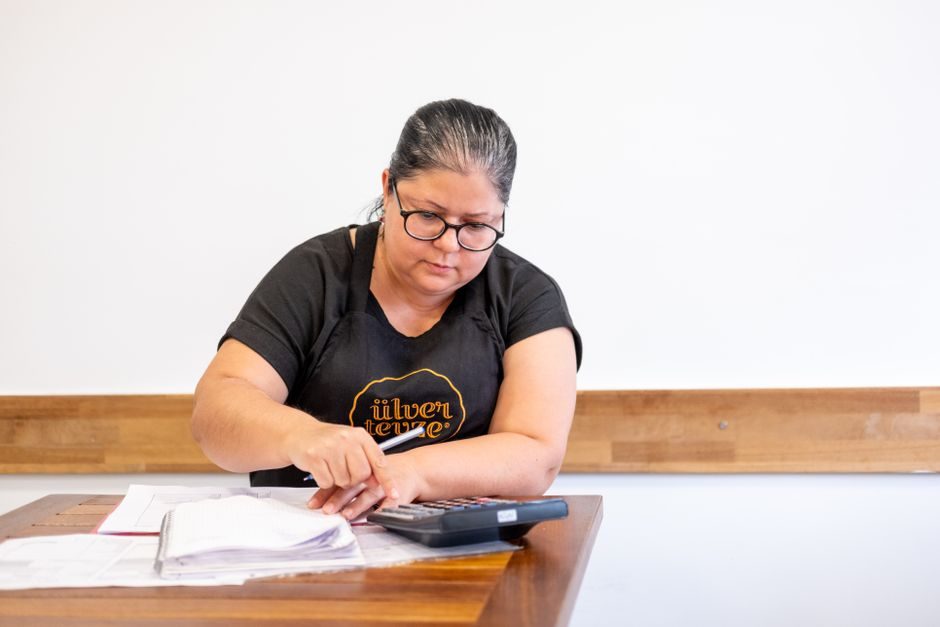
Keep business transactions separate from personal spending from the start. Open an account appropriate to your chosen structure, use it for business income and expenses, and retain receipts or digital records. Separation makes it easier to understand performance, prepare tax information, and show which transactions belong to the business.
- Separate personal and business transactions.
- Plan for the timing of bills as well as total costs.
- Confirm tax responsibilities with the relevant Texas agency.
Estimate cash flow by tracking when money is expected to arrive and when bills are due. A business can appear profitable on paper yet struggle if customers pay after rent, supplies, or payroll are due. Map likely payment timing, keep a reserve for known obligations, and avoid treating sales tax collected from customers as spendable income.
Decide how customers will pay and how you will issue receipts before taking your first sale. Compare the tools available for cash, card, and online payments, including their fees, deposit timing, and record exports. If you sell taxable goods or services, confirm your Texas sales-tax responsibilities with the Texas Comptroller rather than relying on a general estimate.
- Use a dedicated account for business activity.
- Record expected income and due dates for bills.
- Set aside money for taxes and other obligations.
- Review payment processing terms before choosing a provider.
Choose a recordkeeping routine
Set a regular routine for recording income, expenses, invoices, and receipts so paperwork does not pile up until tax time. A basic spreadsheet may work for a simple operation, while accounting software can help when transactions, inventory, or staff become more complex. Choose a method you can maintain consistently and back up securely.
Keep documents that support business decisions and transactions, including contracts, bank statements, receipts, permits, and tax filings. Organize them by type and period, and limit access to sensitive customer or employee information. Ask a tax professional what records your business should retain and for how long, since requirements depend on the record and situation.
Review the books regularly and compare actual results with your plan. Look for late customer payments, expenses that are rising, and products or services that consume more time than expected. If records are unclear or tax obligations feel uncertain, consult a qualified bookkeeper or tax professional before a small question becomes a costly filing or cash-flow problem.
Pick a location that fits your customers
Match Foot Traffic to Your Offer
Choose a site by how customers will reach you and what they need to do there, not by visibility alone. A café may benefit from steady pedestrian traffic, while a repair service may need parking, storage, and easy vehicle access. Compare likely customer routines with the realities of each candidate location before committing.
Austin’s districts serve different patterns of demand: downtown draws workers and visitors, while neighborhood business areas often depend on nearby residents and repeat visits. Walk the blocks at the times your customers would shop, and check transit access, parking, loading conditions, and nearby competitors. A busy corner can still be a poor fit if customers cannot stop conveniently.
Before signing a lease, ask the landlord for the permitted use and confirm whether the space can support your operations. Leicester Seo Services offers an example of local marketing support; Austin owners can use it to understand the kinds of services to look for from a provider serving their own area. Treat the site and its costs as a business decision, not just a branding choice.
- Visit at expected customer hours.
- Check parking, transit, and loading.
- Ask about permitted use.
- Compare total occupancy costs.
Verify Local Operating Requirements
Confirm the rules for the exact property before you plan renovations or announce an opening date. Requirements can depend on the business activity, building, and whether customers visit in person. Check with the City of Austin and the relevant Texas agencies, and do not assume a nearby Hill Country community follows the same process.
A restaurant, home-based consultant, and retail shop can face very different requirements, including rules related to food handling, signage, occupancy, or home occupation. Ask which approvals apply to your specific use and whether inspections or permits are needed before opening. If the property lies outside Austin city limits, identify the jurisdiction responsible for its requirements.
Include approval time in your opening plan and keep copies of applications, written guidance, and landlord permissions. If a space needs construction, clarify who will arrange permits and inspections before work starts. This due diligence can reveal whether a promising location is practical, or whether another site would let you serve customers sooner with fewer changes.
Build a useful online presence

Make Essential Details Easy to Find
Give prospective customers the basic facts they need before asking them to contact you: what you offer, where you serve, how to reach you, and when you are available. Make your website work well on a phone, since people often search while moving around Austin. Keep the service area clear if you travel to customers rather than serving them at a storefront.
- Write your business name and core offer consistently.
- Set up a complete public business profile.
- Add accurate contact, location, and hours information.
- Review every profile and page after a change.
Use the same business name, address, phone number, and hours across your website and public business profiles. Local Seo Services can help an owner explore ways to keep business information consistent across profiles and location pages. Consistency also makes it easier for customers to confirm they have found the right business before making a trip or booking.
Create a small set of useful pages rather than filling a site with vague claims. A home-service company might explain its service area and booking process, while a shop can publish its hours, product categories, and pickup details. Add clear contact options, and check every page for outdated information whenever your services or operating arrangements change.
- State your services and service area.
- Publish accurate hours and contact details.
- Test the site on a phone.
- Update profiles when details change.
Create Content That Answers Questions
Use your online presence to answer questions customers ask before they buy. Explain what a service includes, how someone gets an estimate, what preparation is needed, or which neighborhoods you serve. Specific answers help people decide whether to contact you and reduce repeated back-and-forth once a conversation begins.
Include Austin details only when they are useful and accurate, such as service boundaries, pickup arrangements, or seasonal operating changes. Avoid claiming that you serve every nearby community if travel time or capacity makes that unrealistic. A short, current update about a closure or altered hours is more helpful than a stream of generic promotional posts.
Choose a manageable routine for reviewing your site and profiles, such as checking them whenever hours, contact details, or services change. Ask a colleague to follow the booking path on a phone and flag confusing steps. Keep passwords and account ownership under your control, especially if an outside contractor helps build or maintain the site.
Avoid common early-stage missteps
Keep Spending Tied to Evidence
Protect cash by testing demand before taking on expenses that are difficult to reverse. Start with the smallest credible version of the offer, then track inquiries, bookings, repeat purchases, and the reasons people decline. Seo Services can help owners review available website and customer-outreach capabilities as they decide whether outside support fits their needs.
Do not confuse an attractive storefront, elaborate branding, or a large inventory with proof that customers will buy. For example, a maker could test a limited range at a local event before ordering materials for a much broader catalog. Use what customers actually ask for to guide spending, and keep personal and business money separate.
List fixed obligations such as rent, insurance, subscriptions, and loan payments alongside costs that rise with each sale. Estimate how many sales your current plan needs to cover those commitments, then revisit the estimate when costs or demand change. If the business depends on a seasonal rush, plan for quieter periods rather than treating peak demand as normal.
- Test a small offer before expanding.
- Record fixed and per-sale costs.
- Separate business and personal funds.
- Recheck assumptions as evidence changes.
Keep Compliance on Your Calendar
Set reminders for the filings, renewals, tax tasks, and other obligations that apply to your business rather than relying on memory. Requirements depend on your legal structure and activity, so confirm details with the relevant Texas agencies and the City of Austin. A calendar turns recurring duties into planned work instead of an urgent surprise.
Avoid assuming that registering a business name completes every step needed to operate. You may also need to check permits, tax responsibilities, insurance, contracts, or professional requirements, depending on what you sell and where you work. Keep records of the guidance you receive, and ask the responsible agency when an answer is unclear.
Build a simple process for invoices, receipts, customer agreements, and employee records if you hire. Store information securely and limit access to people who need it for their work. When a decision has legal or tax consequences, use an appropriately qualified adviser rather than treating a general online explanation as a substitute for advice about your circumstances.
Find and keep your first customers

Start With Personal Outreach
Begin customer outreach with people and organizations already connected to the problem your business solves. Tell former colleagues, neighbors, community groups, or complementary businesses what you offer, and make it easy for them to pass along accurate information. Ask questions about their needs instead of assuming that a friendly response means someone is ready to buy.
Choose outreach channels that match how your likely customers make decisions. A neighborhood service might benefit from community events and referrals, while a business serving other companies could start with direct conversations with local operators. Attend Austin-area events relevant to your customers, but have a clear next step ready, such as a booking page or a way to request details.
Track where inquiries come from and what happens next, using a simple spreadsheet or customer-management tool. Note whether people ask for a different service, price information, or a faster response, then look for patterns. Follow up politely when someone has requested information, but avoid repeated messages to people who have not invited further contact.
- Tell relevant contacts what you offer.
- Choose events where likely customers gather.
- Record inquiry sources and outcomes.
- Follow up only when appropriate.
Turn Good Service Into Repeat Business
Make the first purchase straightforward by explaining the scope, timing, payment terms, and what happens if plans change. Confirm those details in writing so both sides can refer to the same agreement. After delivery, ask whether the customer received what was promised and invite specific feedback that can improve the next transaction.
A reliable customer experience often depends on small operational habits: answering messages promptly, arriving when agreed, and telling customers early if something changes. Set a response routine you can sustain, rather than promising instant replies at every hour. If a problem occurs, acknowledge it, describe the practical fix, and follow through when you say you will.
Encourage satisfied customers to return or refer others by making the next step clear, not by pressuring them. A retailer can tell a buyer when a product is restocked; a service provider can explain how to book follow-up work. Ask permission before using a customer’s name, image, or feedback in public marketing, and honor requests to keep details private.
Frequently asked questions
Can I start an Austin business from home?Possibly, but first check whether your business activity is allowed at your home and whether local requirements apply. Rules can depend on the activity, customer visits, signs, storage, and the property’s jurisdiction. Confirm the relevant requirements with the City of Austin or the responsible authority if you live outside city limits, and review any lease or homeowners’ association restrictions before operating.
Do I need a permit before opening?There is no single permit that covers every type of business. Requirements depend on what you sell or do, where you operate, and whether you alter a building or serve customers on site. Ask the City of Austin and relevant Texas agencies which approvals apply to your specific activity, and confirm whether inspections must happen before you open or begin work.
How can I test a business idea without renting a shop?Test the offer in a low-commitment way that still reflects a real purchase, such as taking a limited number of bookings, selling a small batch, or offering a service to a defined customer group. Track who pays, what questions arise, and whether buyers return or refer others. Check applicable rules for your activity before selling, even on a small scale.
What should I include in a simple business plan?Set out the customer you intend to serve, the problem your offer solves, how you will reach buyers, and the costs required to deliver it. Include expected sales assumptions, recurring obligations, and the amount of cash you need to get started. Keep the plan brief enough to revise as you learn from customers, and update it when costs or demand differ from your assumptions.
Make Your First Move Deliberately
Starting small gives Austin-area owners room to learn before they take on commitments that are hard to unwind. Test whether customers will pay, choose a location that suits how they buy, and make your online details accurate and easy to use. Confirm rules with the agencies responsible for your business and property, since requirements may differ across the region.
Your next step is to write down one specific customer, the offer you would make, and the simplest way to test it. Talk with potential buyers, record what they ask, and use those responses to refine your costs and operating plan. Once the idea has evidence behind it, verify the setup requirements and move forward in manageable stages.

Add Austin Texas News as a preferred source on Google


